Consultant or DIY? Write a LinkedIn post that helps buyers decide
Help consulting buyers choose between doing it themselves, a focused review and a scoped engagement. Includes a decision map, a fictional LinkedIn post and a practical review checklist.
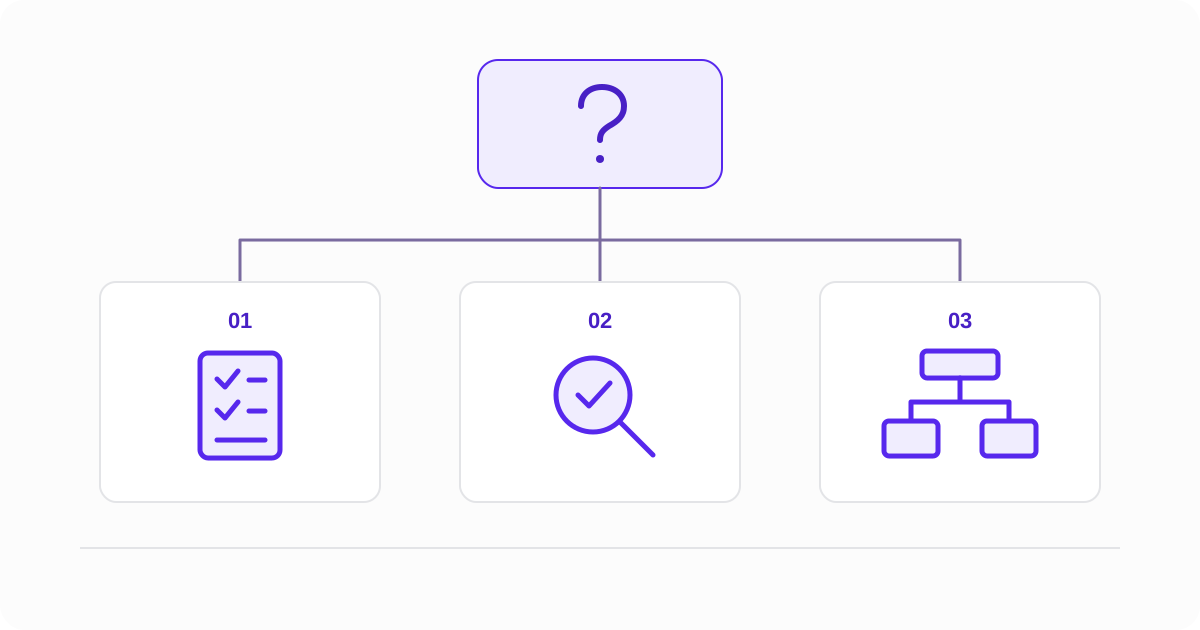
When should a buyer hire a consultant instead of doing it themselves?
Start with the decision, the skills available and the cost of getting it wrong. Doing the work internally can make sense when someone owns it, knows the method and can test a reversible change. A focused review may be enough when a plan already exists but one assumption needs checking. A consulting project is worth considering when the question needs specialist work and the team has the time, authority and budget to act on the findings.
A consultant’s LinkedIn post can explain those differences before asking for a call. Give readers a useful way to decide whether your service fits. HumanEcho can help turn your criteria into an Arabic or English draft in your writing style; you still supply the judgment, verify the claims and choose whether to publish.
Make three next steps easy to compare
Use a situation you genuinely work on. The options below are a writing framework, not a diagnosis. Change them to match your actual service and explain the trade-off rather than making the most expensive option look inevitable.
Do it internally
The task is familiar, someone can own it and a small test is safe to reverse.
Next step: agree on one change, an owner and a date to review the result. Internal time is still a cost.
Ask for a focused review
There is a draft plan or a specific decision, but the team wants a second view on a defined uncertainty.
Next step: ask what evidence the reviewer needs and what the review will deliver. A review does not include implementation unless agreed.
Scope a project
The problem needs deeper investigation or expertise the team cannot provide, with someone able to sponsor the work.
Next step: define the question, deliverables, responsibilities and exclusions before committing.
These are not three required stages. A buyer may start with a review, do the work internally or postpone the project. For a regulated or safety-critical decision, a generic social post cannot replace appropriately qualified advice.
Write down the criteria before writing the hook
Choose one recurring buying question. “Can we improve our weekly planning ourselves?” is easier to answer than “Does our business need consulting?” Make a short brief with four parts:
- The situation: what the reader is trying to decide, described without confidential customer details.
- The internal option: what they can reasonably try, who should own it and when to review it.
- The reason to seek help: a specific uncertainty or missing capability, not a frightening prediction.
- Your boundary: what your service covers, what it does not and what the buyer must be ready to contribute.
For example, “three teams use different rules to choose priorities” describes something a buyer can inspect. “Your business is losing thousands every week” needs evidence. Do not turn an invented number or an unverified diagnosis into the reason to hire you.
Show the choice in a realistic post
The example below is for a fictional consultant who reviews weekly planning processes. It shows the structure, not a client outcome. Only reuse the offer if it matches work you actually provide.
Open the consultant-or-DIY example
Fictional editorial example, prepared in advance. It is not a customer story or live AI output.
- Brief for the post
- Buyer question: can we fix weekly planning ourselves? Internal option: one owner, one visible priority list, a small reversible test Review option: a defined disagreement about how priorities are chosen Project option: investigate a wider process across teams Boundary: a review provides findings and agreed next steps; implementation is separate
- Sample LinkedIn post
- You may be able to improve weekly planning without hiring a consultant. If the problem is simply that nobody owns the agenda, start there. Name an owner, use one visible list of priorities and agree when you will review the change. A focused review becomes more useful when the team already has a process but cannot explain why competing priorities keep winning. That is a specific question to investigate. If the issue spans several teams and needs deeper analysis, define a project before starting: what we will examine, what you will receive and who can act on the findings. My planning review covers the agreed process and produces findings and next steps. It does not include running your meetings or implementing every change. Considering a review? Send the decision you are trying to make and the constraint that matters most. We can check whether the scope fits. Please leave customer and employee details out of the message.
The opening answers the buying question. The middle gives a useful internal option and a reason for outside help. The ending names a bounded offer. It leaves room for a reader to decide that they do not need to buy yet.
Use HumanEcho to draft the explanation in your own voice
Start from your own idea and add the nonconfidential brief. Keep your real decision criteria in the input. If you use a writing style profile built from your samples, let it guide wording and rhythm; it does not guarantee a perfect copy of your voice or verify your advice.
If you have no topic yet, professional-context suggestions can provide a starting point where available. Selected newsletters can also support a writing routine when the connection, sync and credits are configured. A source can inspire a question; it does not become proof that your service produces the same outcome.
Review the draft against your actual offer. Replace vague claims with a concrete condition. Remove any invented experience, fees, timelines or deliverables. Save the version you approve; scheduling or publishing to LinkedIn is a separate choice. You do not need to publish the first draft just because it reads smoothly.
Check whether the post helps a buyer act
- Can the reader identify when an internal attempt is reasonable?
- Is the reason to seek help observable and specific?
- Does the post explain the smallest useful service you actually offer?
- Are scope, exclusions and the buyer’s responsibilities clear?
- Does the next step request a buying question without asking for private records?
The free post checker can help review wording and structure. It cannot validate the consulting advice or predict followers, inquiries or sales. After publication, assess the relevance of actual conversations and the questions readers ask; reach alone does not show that the post helped someone make a buying decision.
Building a regular writing routine? Compare current HumanEcho plans and terms. For the next buying question, read what a client should prepare before a first session.
